Introduction
Football is one of the most popular sports in the world. Millions of people play it in schools, parks, local clubs, and professional stadiums. From friendly matches between friends to international tournaments watched by huge audiences, the game brings people together through teamwork, competition, and a shared love of sport.
One reason football is so popular is its simplicity. Players generally need a ball, a suitable playing area, and a few people to start a game. However, professional football requires much more than basic equipment. Players must develop speed, stamina, passing accuracy, ball control, tactical awareness, and the ability to make quick decisions under pressure.
The sport also has a rich history, famous clubs, international competitions, and legendary players who have inspired generations of fans. Modern technology, professional coaching, and worldwide broadcasting have helped make it an important part of global sports culture.
Whether you are a beginner learning the rules, a student writing an assignment, or a fan interested in the game, this guide explains the most important things to know about football.
What Is Football?
Football, commonly called soccer in countries such as the United States, is a team sport in which two teams compete to score goals. Each team normally has eleven players on the field, including a goalkeeper.
The main objective is to move the ball into the opposing team’s goal while preventing the other side from scoring. Most players use their feet, head, chest, and other permitted body parts to control the ball. Outfield players generally cannot deliberately handle it with their hands or arms, subject to the specific rules of the game.
The goalkeeper has special permission to handle the ball within their own penalty area, subject to the laws of the sport.
A standard match lasts 90 minutes, divided into two 45-minute halves, with additional time allowed for stoppages. Some competitions use extra time or penalty shootouts when a winner must be decided.
The game requires individual skill and collective effort. A talented player may create an opportunity through excellent dribbling, but successful teams also depend on communication, defensive organisation, and coordinated movement.
History of Football
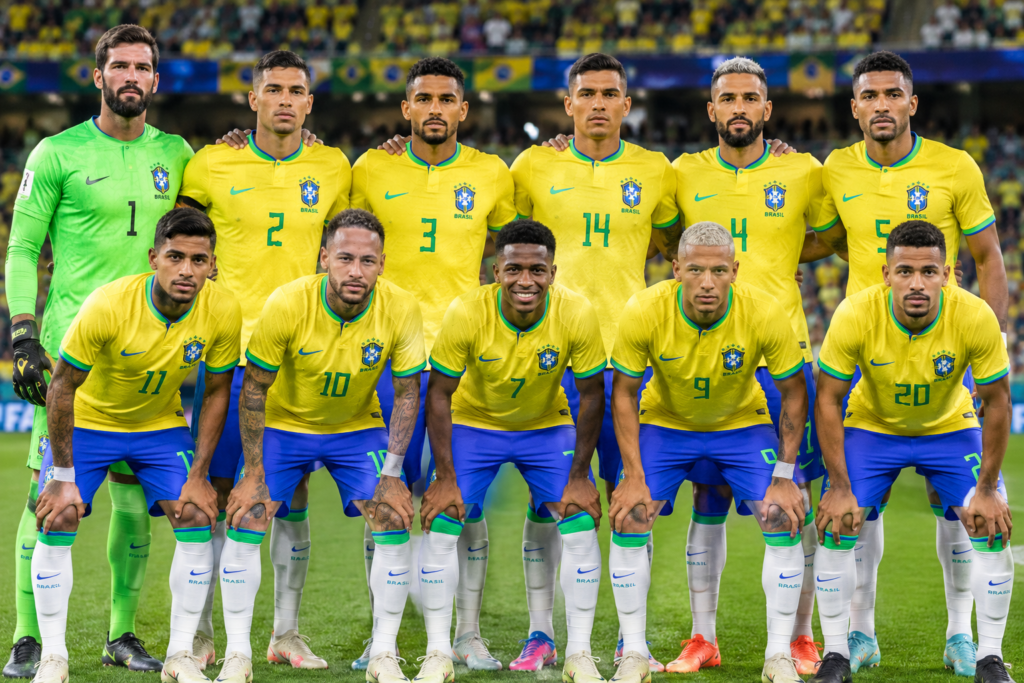
Football has developed over many centuries. Different cultures played ball games long before modern association football was established. These activities varied in their rules, equipment, and purposes.
Modern association football took shape in England during the nineteenth century. In 1863, the Football Association was formed in London and helped establish a common set of rules. This was an important step toward creating an organised sport that different clubs could play under the same standards.
As the game spread, clubs and national associations developed across Europe and other continents. International competitions increased interest in the sport, while professional leagues created opportunities for talented players to compete at higher levels.
The formation of FIFA in 1904 helped support international organisation and cooperation. The men’s FIFA World Cup began in 1930, becoming one of the most recognised sporting competitions in the world.
Today, football is played professionally and recreationally in countries across the globe. It has developed into a major part of sports culture, with domestic leagues, continental tournaments, national teams, and youth development programmes.
Basic Rules of Football
Understanding the rules helps beginners enjoy matches and follow professional competitions more confidently.
1. Number of Players
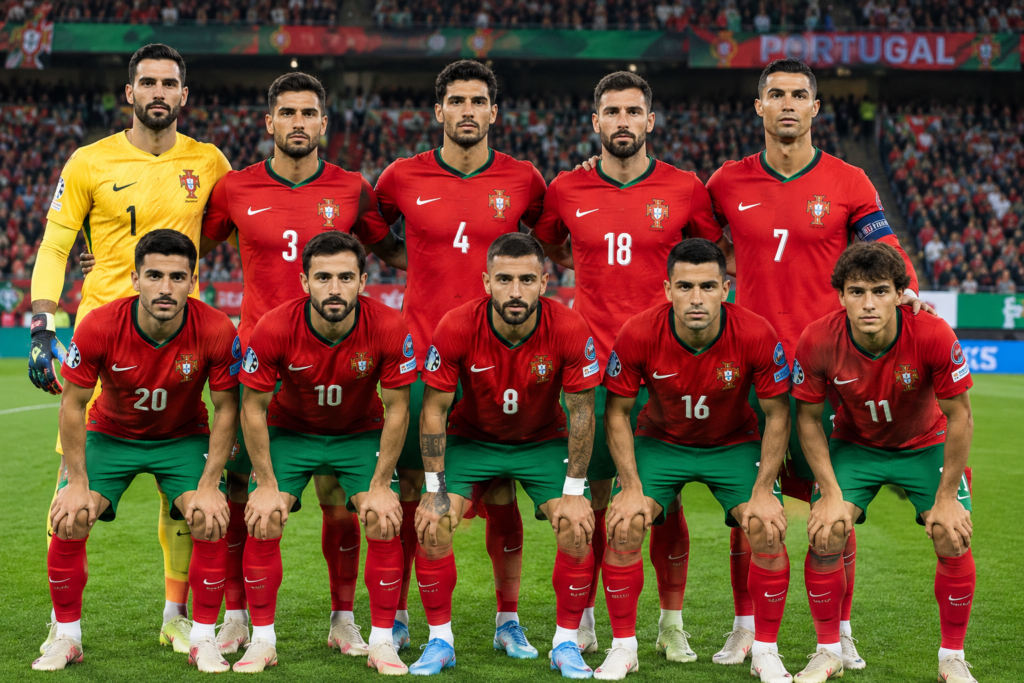
A standard team has eleven players on the field, including the goalkeeper. Teams can also have substitutes, with substitution rules depending on the competition.
If a team has fewer than seven players, a match generally cannot begin or continue under the Laws of the Game.
2. Match Duration
A standard adult match consists of two 45-minute halves. Half-time provides a break between them, while the referee may add time for stoppages such as injuries and substitutions.
Knockout competitions may use extra time and penalty shootouts if the scores remain level and the competition rules require a winner.
3. Scoring Goals
A goal is scored when the entire ball passes over the goal line between the goalposts and beneath the crossbar, provided no offence has occurred.
4. Fouls and Free Kicks
Players must compete fairly. Actions such as kicking, tripping, pushing, or holding an opponent unfairly may result in a foul.
Depending on the offence, the referee may award a direct or indirect free kick, a penalty kick, or disciplinary action such as a yellow or red card.
5. Offside Rule
The offside rule prevents attackers from gaining certain unfair advantages by waiting too close to the opponent’s goal.
A player is penalised for being in an offside position when they become involved in active play in the relevant circumstances defined by the Laws of the Game. Simply standing in an offside position is not automatically an offence.
Understanding offside can take practice, but it is an important part of attacking and defensive tactics.
Main Positions in Football
Every position has a specific role, although modern players often perform several responsibilities during a match.
Goalkeeper
The goalkeeper protects the goal and tries to stop the opposing team from scoring. Important skills include reflexes, positioning, catching, diving, and communication with defenders.
Defenders
Defenders prevent opponents from creating scoring opportunities. Centre-backs usually protect the central areas, while full-backs often defend the sides and may support attacks.
Strong defenders need concentration, good positioning, physical strength, and an understanding of when to challenge for the ball.
Midfielders
Midfielders connect defence and attack. They help recover possession, distribute passes, control the pace of play, and create scoring chances.
Some midfielders focus on defensive duties, while others specialise in creativity or attacking runs.
Forwards
Forwards are primarily responsible for creating and scoring goals. They need good movement, finishing ability, dribbling skills, and awareness of defensive weaknesses.
A successful forward does more than shoot. They may also press opponents, create space for teammates, and provide important passes.
Essential Football Skills for Beginners
Learning basic techniques can help new players become more confident and effective.
Passing
Passing moves the ball between teammates and helps a team maintain possession. Beginners should practise short passes using the inside of the foot before progressing to longer and more difficult passes.
Accuracy is usually more useful than power when learning the fundamentals.
Dribbling
Dribbling involves moving with the ball while maintaining control. Players use small touches, changes of direction, and body movement to get past opponents.
Practising with cones or simple markers can improve coordination and close control.
Shooting
Shooting is the skill of attempting to score a goal. Players should practise striking the ball accurately with different parts of the foot and learn to choose suitable moments to shoot.
Good technique, balance, and decision-making often matter more than simply hitting the ball hard.
Ball Control
Ball control allows players to receive and manage passes without losing possession. Practise controlling the ball with both feet and using different permitted body parts.
Consistent practice helps players react more quickly during matches.
Defending
Defending requires patience, positioning, and awareness. Instead of rushing toward every opponent, a defender should learn to stay balanced, block useful passing lanes, and time challenges carefully.
These fundamentals are valuable at every level of the game.
Major Football Tournaments
International and club competitions provide some of the sport’s most memorable moments.
FIFA World Cup
The men’s FIFA World Cup brings together national teams that qualify through a series of regional competitions. It is held every four years and attracts worldwide attention.
The women’s FIFA World Cup is another major international competition, showcasing elite women’s national teams and helping grow the sport.
UEFA Champions League
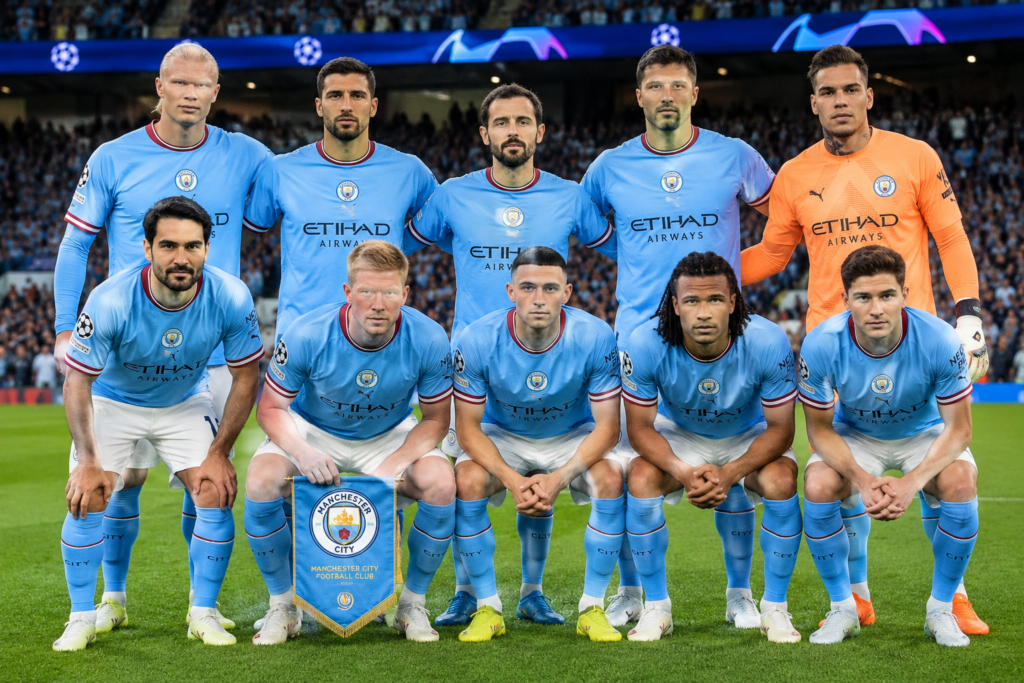
The UEFA Champions League is a leading European club competition. It features qualifying clubs from European domestic leagues and brings together many of the world’s best-known teams and players.
Domestic Leagues
Domestic competitions such as the English Premier League, Spain’s La Liga, Italy’s Serie A, Germany’s Bundesliga, and France’s Ligue 1 attract fans from many countries.
These leagues provide regular competition and opportunities for players to develop their skills.
Continental and Regional Tournaments
Other important competitions include the AFC Asian Cup, Africa Cup of Nations, Copa América, and UEFA European Championship.
These tournaments celebrate different football traditions and allow national teams to compete for regional honours.
Famous Football Players
Many players have become global sporting icons through their skill, achievements, and influence on the game.
Lionel Messi
Lionel Messi is widely recognised for his close control, creativity, passing, and ability to score goals. His performances for club and country have earned him a place among the most celebrated players in football history.
Cristiano Ronaldo
Cristiano Ronaldo is known for his athleticism, finishing, movement, and long professional career. He has achieved major honours with clubs and the Portuguese national team.
Pelé
Pelé was one of the most influential figures in football history. His achievements with Brazil helped establish his reputation as a legendary player and international sporting icon.
Diego Maradona
Diego Maradona is remembered for his extraordinary dribbling, creativity, and influence on Argentina’s football history. His performances, particularly during the 1986 World Cup, remain famous.
Marta
Marta is one of the most celebrated players in women’s football. Her technical ability, goal-scoring record, and long international career have helped inspire new generations of players.
These athletes demonstrate that success can come through different playing styles, strengths, and approaches to the game.
Benefits of Playing Football
Football provides physical, mental, and social benefits when played safely and regularly.
Physical Fitness
Running, sprinting, changing direction, and controlling the ball help develop cardiovascular fitness, coordination, balance, and agility.
Regular activity can also support general health and help people maintain an active lifestyle.
Teamwork and Communication
Players must cooperate to defend, pass, create chances, and achieve shared goals. This encourages communication, responsibility, and trust.
These lessons can be valuable in school, work, and everyday relationships.
Confidence and Discipline
Learning new skills and improving through practice can build confidence. Training also teaches patience, commitment, and the importance of learning from mistakes.
Mental Wellbeing
Physical activity can support mood and help reduce everyday stress. Playing with friends or joining a local club can also provide social connection.
Players should balance training with adequate rest and seek appropriate guidance when injured.
How to Improve Your Football Performance
Consistent, structured practice can help players improve over time.
Practise basic skills regularly, including passing, shooting, and first touch.
Develop fitness through appropriate running, strength, and agility exercises.
Use both feet to become more adaptable during matches.
Watch matches carefully and study player positioning and decision-making.
Communicate clearly with teammates.
Warm up before playing and cool down afterward.
Drink enough water and allow time for recovery.
Use suitable footwear and protective equipment for your playing surface.
Beginners should focus on technique and enjoyment rather than trying to master everything immediately. Small, measurable goals can make training more rewarding.
Football Equipment You Need
The equipment required depends on the type of surface and level of play.
A suitable ball is the most important item. Match balls come in different sizes, and younger players may benefit from smaller balls designed for their age group.
Football boots provide traction on suitable playing surfaces. The correct design depends on whether you play on natural grass, artificial turf, or indoor flooring.
Shin guards help protect the lower legs and are required in many organised matches. Comfortable sportswear, socks, and access to drinking water are also useful.
Goalkeepers typically wear gloves for grip and hand protection. Teams may use training cones, bibs, and portable goals to organise practice sessions.
Always select equipment that fits properly and suits your playing environment.
The Future of Football
Football continues to evolve through improvements in coaching, sports science, broadcasting, and technology. Video Assistant Referee systems support officials in reviewing certain important match incidents, while goal-line technology can help determine whether a ball has crossed the goal line.
Data analysis is also increasingly used to study player movement, passing patterns, physical performance, and tactical decisions.
Women’s football continues to attract more supporters and investment in many regions. Youth academies and grassroots programmes are helping young players access training and organised competition.
Technology can support the sport, but its central appeal remains the same: players competing together, supporters sharing their passion, and teams creating memorable moments.
Frequently Asked Questions
1. How many players are in a football team?
A standard team has eleven players on the field, including the goalkeeper.
2. How long does a football match last?
A standard match lasts 90 minutes, divided into two 45-minute halves, plus any additional time allowed for stoppages.
3. What equipment is needed to play football?
Players generally need a suitable ball, appropriate footwear, comfortable sportswear, and shin guards for organised play.
4. Is football good for fitness?
Yes. It involves running, sprinting, coordination, and changes of direction that can support cardiovascular fitness and agility.
5. What is the difference between football and soccer?
In most countries, the sport is called football. In countries such as the United States, the word soccer is commonly used to distinguish association football from American football.
6. How can beginners learn football?
Beginners can start with short passing drills, ball control, basic dribbling, and simple shooting practice. Joining a local club or training group can provide helpful coaching.
7. Which football tournament is the most famous?
The FIFA World Cup is among the most widely recognised international sporting tournaments. Club competitions such as the UEFA Champions League are also extremely popular.
Conclusion
Football is much more than a game played with a ball. It combines physical fitness, teamwork, tactical thinking, individual creativity, and a strong sense of community. From local playgrounds to major international stadiums, it offers opportunities for people to participate, improve, and enjoy competition.
Understanding the rules, positions, skills, and major tournaments can help new fans appreciate the sport more deeply. For players, regular practice, suitable equipment, good fitness, and teamwork can make a real difference.
Whether you play for fun, follow a favourite club, or dream of becoming a professional athlete, the best way to enjoy football is to keep learning, practise safely, and respect the people who share the field with you.