Introduction to Basketball
Basketball is one of the most exciting and popular sports in the world. It combines speed, teamwork, physical fitness, strategy, and skill. Millions of people play and watch this game in schools, colleges, local clubs, and professional leagues. Whether someone plays for fun or dreams of becoming a professional athlete, the sport offers something for everyone.
The game is easy to understand at a basic level. Two teams compete to score points by throwing a ball through the opponent’s hoop. However, becoming a good player requires practice, concentration, quick decision-making, and strong communication with teammates.
Today, basketball is played in many countries and attracts fans of different ages. Major competitions, professional athletes, and international tournaments have helped it become a global sporting phenomenon.
In this guide, you will learn about its history, basic rules, player positions, essential skills, health benefits, and useful tips for beginners.
What Is Basketball?
Basketball is a team sport in which two teams try to score points by shooting a ball into a raised hoop. In the standard indoor game, each team has five players on the court at a time.
The main objective is to score more points than the opposing team before the playing time ends. Players move the ball by dribbling or passing it to teammates. They also defend their basket and try to stop the other team from scoring.
The game requires both individual talent and teamwork. A player may be an excellent shooter, but passing, defending, and supporting teammates are equally important for success.
Basic Equipment Needed
Players need only a few essential items to start playing:
Basketball: A suitable ball for the player’s age and competition.
Hoop and backboard: The equipment used to score points.
Sports shoes: Comfortable shoes with suitable grip and support.
Sports clothing: Lightweight clothing that allows free movement.
Court: A safe indoor or outdoor playing area with clear boundaries.
Beginners can practise basic skills with a ball and a suitable hoop in a local park, school, or sports facility.
History of Basketball
Basketball was invented in December 1891 by Dr. James Naismith, a Canadian physical education instructor working at a YMCA training school in Springfield, Massachusetts, United States.
He wanted to create an indoor activity that students could play during cold winter weather. His goal was to develop a game that encouraged movement, fitness, discipline, and teamwork without the rough physical contact found in some other sports.
Naismith created the original rules and used peach baskets as goals. Players initially had to retrieve the ball from the basket after each successful shot. Over time, the equipment and rules changed, making the game faster and more practical.
How the Game Became Popular
As the sport developed, schools, colleges, and sports clubs began adopting it. Its simple equipment requirements helped it spread to different communities and countries.
The establishment of professional leagues increased public interest. The National Basketball Association (NBA), founded in 1946 as the Basketball Association of America before adopting its current name in 1949, became a major force in professional basketball.
International competitions also helped the sport grow. Men’s basketball became an Olympic sport in 1936, while women’s basketball joined the Olympic programme in 1976.
Today, professional leagues, national teams, school competitions, and community programmes introduce new generations to the game.
Basic Rules of Basketball
Understanding the basic rules makes it easier to enjoy the sport and play confidently. Although rules can vary between organisations, the following principles apply to the standard five-on-five game.
1. Team Size
Each team has five players on the court during normal play. Teams also have substitutes who can enter the game according to the competition’s rules.
Players work together to attack, defend, and create scoring opportunities.
2. Scoring Points
Points are awarded according to where and how a player makes a successful shot.
One point: A successful free throw.
Two points: A successful field goal from inside the three-point line.
Three points: A successful field goal from beyond the three-point line.
The team with the higher score when the game ends wins. If the score is tied, overtime may be played according to the competition’s rules.
3. Dribbling the Ball
Dribbling means bouncing the ball against the floor while moving. Players generally need to dribble to advance with the ball.
A player who stops dribbling and then starts again after gaining control commits a double-dribble violation. Carrying the ball improperly while dribbling can also result in a violation.
4. Passing the Ball
Passing allows players to move the ball quickly and create better scoring chances. A good pass helps the team maintain possession and find open teammates.
Common passes include the chest pass, bounce pass, and overhead pass.
5. Traveling
Traveling occurs when a player moves their feet illegally while holding the ball, such as taking prohibited steps without dribbling. The exact application depends on the player’s pivot foot and the governing rules.
6. Fouls
A foul is an illegal form of physical contact or another prohibited action. Examples include pushing, holding, and hitting an opponent.
Depending on the situation, a foul may lead to free throws, possession for the opposing team, or other penalties.
7. Game Duration
Game length depends on the competition. NBA games use four 12-minute quarters, while FIBA international games generally use four 10-minute quarters. College competitions may follow different formats.
These differences matter when comparing professional leagues and international tournaments.
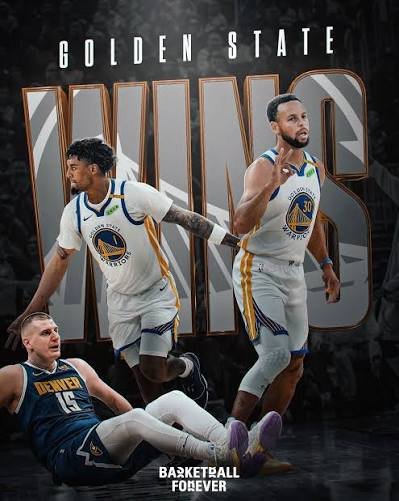
Main Player Positions in Basketball
Each player position has a general purpose, although modern players often perform several roles during a game.
Essential Skills Every Player Should Learn
Developing strong fundamentals is one of the best ways to improve. Beginners should focus on correct technique before trying complicated moves.
Dribbling
Dribbling helps players move with the ball while maintaining control. Practise with both hands, keep your head up, and learn to change direction without losing possession.
Start slowly and increase your speed as your control improves.
Shooting
Shooting is the skill used to score points. Players should practise their stance, balance, hand placement, and follow-through.
Begin with short shots near the basket. Once your technique becomes consistent, gradually practise from farther away.
Passing
Passing improves team movement and creates open scoring chances. Learn chest passes, bounce passes, and overhead passes before progressing to more difficult techniques.
Good passing also requires awareness. Players must recognise where teammates are moving and avoid throwing the ball into crowded areas.
Defence
Defence is about preventing the opponent from scoring. Players should learn to maintain balance, move their feet, watch the ball, and stay between their opponent and the basket when appropriate.
Effective defence requires patience, communication, and good positioning rather than unnecessary physical contact.
Rebounding
A rebound occurs when a player gains possession after a missed shot. Rebounding requires awareness, timing, positioning, and the ability to anticipate where the ball may land.
Both offensive and defensive rebounds can change the direction of a game.
Benefits of Playing Basketball
Playing regularly can support physical health, mental well-being, and social development. The benefits depend on the intensity of activity, the player’s fitness, and how consistently they participate.
1. Improves Physical Fitness
Running, jumping, changing direction, and defending involve many muscle groups. These movements can improve cardiovascular fitness, coordination, balance, and muscular endurance.
Regular activity also contributes to an active lifestyle.
2. Builds Teamwork
Players must communicate and cooperate to achieve a shared goal. They learn to trust teammates, share responsibilities, and work together under pressure.
These lessons can be useful in school, work, and everyday life.
3. Develops Concentration
The game moves quickly, so players need to pay attention to teammates, opponents, the ball, and the game situation.
Regular practice can help develop decision-making and awareness, although improvements vary from person to person.
4. Supports Mental Well-Being
Physical activity can help reduce stress and improve mood. Playing with friends or joining a team can also create a sense of belonging and provide an enjoyable break from daily responsibilities.
5. Encourages Discipline
Improvement requires regular practice, patience, and a willingness to learn from mistakes. Players who follow a training routine can develop better time management and self-discipline.
6. Promotes Social Connections
Local clubs, school teams, and community courts bring people together. The sport offers opportunities to make friends, meet people from different backgrounds, and participate in healthy competition.
Famous Basketball Leagues and Competitions
Professional and international competitions attract millions of viewers and showcase different styles of play.

Famous Basketball Players
Many talented athletes have influenced the sport through their performances, leadership, and achievements.
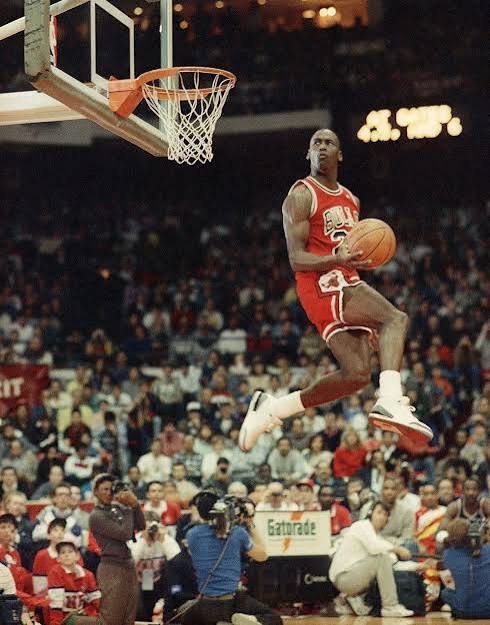
Michael Jordan: Widely regarded as one of the greatest players in basketball history, he won six NBA championships with the Chicago Bulls.
LeBron James: Known for his all-around ability, passing, scoring, and long career at the highest level.
Kobe Bryant: Remembered for his scoring ability, competitive spirit, and five NBA championships with the Los Angeles Lakers.
Stephen Curry: Famous for his exceptional long-range shooting and influence on modern offensive strategies.
Shaquille O’Neal: Known for his size, strength, dominant inside play, and four NBA championships.
These athletes have inspired young players and helped introduce the game to fans around the world.
Tips for Beginners to Improve Their Game
Starting a new sport can feel challenging, but a simple and consistent routine makes learning easier.
Start With the Fundamentals
Spend time practising dribbling, passing, shooting, and basic defensive movement. Focus on technique instead of trying to copy advanced professional moves immediately.
Practise Regularly
Short, focused sessions can be more useful than occasional long sessions. Set realistic goals, such as improving weak-hand dribbling or making a consistent number of close-range shots.
Improve Fitness Gradually
Include warm-ups, light running, mobility exercises, and appropriate strength training in your routine. Increase the workload gradually and allow time for recovery.
Learn From Experienced Players
A coach or experienced teammate can help identify mistakes and suggest better techniques. Watching games can also teach you about spacing, movement, defensive positioning, and teamwork.
Play With Different People
Playing against different opponents helps you adapt to different speeds and styles. Remember that losing a game can still provide valuable lessons.
Stay Safe
Wear suitable shoes, warm up before playing, drink water, and use a safe court. Stop if you experience significant pain, dizziness, or unusual shortness of breath.
How Technology Has Changed Basketball
Technology has influenced training, officiating, and the way fans watch the game. Video analysis allows coaches and players to review shooting technique, defensive positioning, and team movement.
Performance-tracking systems can measure movement and other physical data during training or competition. These insights may help coaches manage workloads and identify areas for improvement.
At the professional level, video replay systems assist officials in reviewing certain decisions. Online streaming and social media have also made games, highlights, and player interviews easier for fans to access.
However, technology does not replace the importance of practice, communication, teamwork, and sound decision-making on the court.
The Future of Basketball
The future of the sport looks promising as more communities invest in youth programmes, women’s competitions, coaching, and accessible playing facilities.
Three-on-three basketball has also gained international recognition, including its addition to the Olympic programme at Tokyo 2020. Its smaller teams and shorter format make it suitable for urban courts and community events.
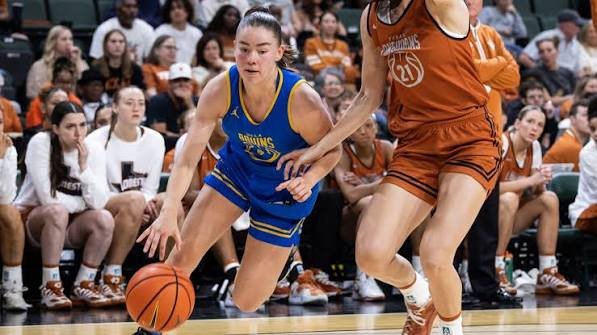
Women’s professional leagues and international competitions continue to provide opportunities for talented athletes. Better coaching and increased visibility can encourage more young players to participate.
Digital platforms are likely to remain important for following teams, learning new skills, and connecting fans across countries. At the same time, local courts and grassroots programmes will continue to introduce people to the game.
Frequently Asked Questions (FAQs)
What is the main objective of basketball?
The main objective is to score more points than the opposing team by shooting the ball through its hoop before the game ends.
How many players are on a basketball team?
Each team has five players on the court during standard five-on-five play. The number of substitutes depends on the competition’s rules.
Who invented basketball?
Dr. James Naismith invented the sport in December 1891 in Springfield, Massachusetts, United States.
How many points is a three-point shot worth?
A successful shot taken from beyond the three-point line is worth three points, provided the player’s position and the shot meet the rules.
Is basketball good for fitness?
Yes. It combines running, jumping, coordination, and changes of direction, which can help improve cardiovascular fitness, balance, and endurance.
Can beginners learn basketball easily?
Yes. Beginners can start with basic dribbling, passing, shooting, and footwork. Regular practice and guidance help players improve over time.
What equipment is needed to play?
The basic equipment includes a suitable ball, a hoop, a safe court, and appropriate sports shoes and clothing.
Which basketball league is the most famous?
The NBA is widely recognised as one of the world’s leading professional basketball leagues. International competitions organised by FIBA and Olympic basketball are also highly regarded.
Conclusion
Basketball is more than a game of scoring points. It teaches teamwork, discipline, communication, and perseverance while providing an enjoyable way to stay active. From its beginnings in 1891 to today’s professional leagues and international competitions, the sport has grown into a worldwide activity enjoyed by people of many ages and backgrounds.
Whether you want to improve your fitness, make new friends, compete for your school, or become a professional player, the best approach is to learn the fundamentals and practise consistently.
Start with simple drills, respect your teammates and opponents, and focus on improving a little each day. With patience and dedication, anyone can enjoy the excitement and valuable lessons this sport offers.
Ready to get started? Pick up a ball, find a safe court, and practise your first dribble and shot today.